Seed Weighing & Packet Filling Product Behaviour
Start with the seed variety and size range. Supply a representative sample, including the variety that is most difficult to feed, and agree how seed condition will be checked after transfer.
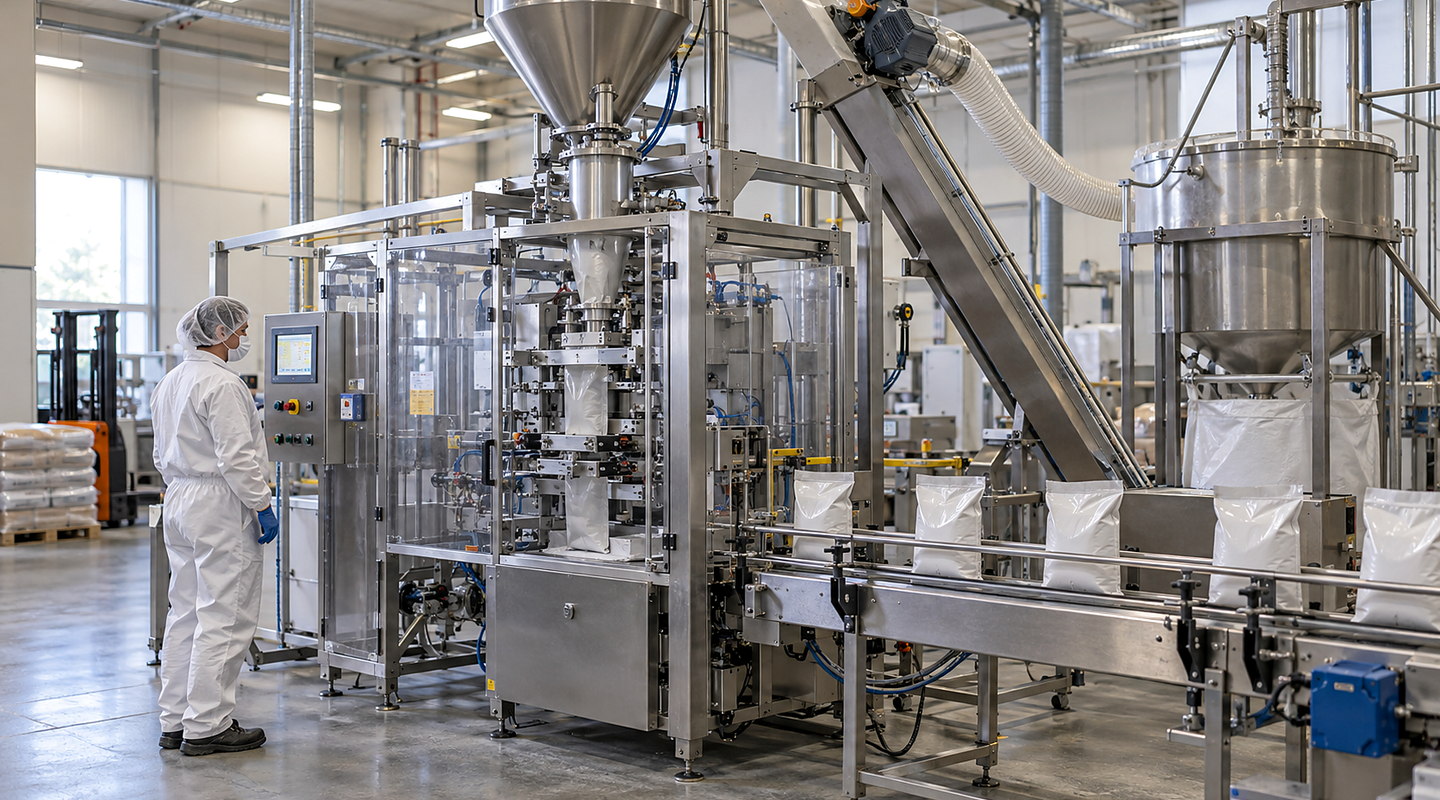
Plan seed packing machines around your product, pack range, target output, cleaning needs and finished-pack checks. Discuss a practical line concept with Lancing using representative samples.
Speak directly with Lancing about seed weighing and packet filling.
Provide the seed types, size range and target quantities, along with the intended bags or containers. Trial feeding and dosing for consistency and seed condition. Include small-batch changes, cleaning between varieties and identification controls, then agree the checks used to release each finished pack.
The wide photo shows the hopper and conveyor of a pouch machine. The smaller photos show a bottle line and operators handling removable parts. For a seed trial, specify the seed variety, packet size and target weight.


For routine production using seed weighing and packet filling, share the normal condition, realistic range and difficult cases the finished system must handle.
Start with the seed variety and size range. Supply a representative sample, including the variety that is most difficult to feed, and agree how seed condition will be checked after transfer.
Send empty samples of the smallest and largest packets, bags or containers. Give the opening and closing method and identify any pack likely to move or spill during filling.
State the target for each pack in grams or in seeds. Specify the acceptable variation and how your team will check it. A weight measurement alone does not establish the number of seeds.
Give the normal batch size and the number of accepted packs needed in a shift. Include replenishment, short stops and variety changes when comparing output.
List the varieties that follow one another. Identify where retained seed must be cleared and how the operator checks the line before the next variety is released.
Agree the checks on quantity, seed condition, pack closure and variety identification. Record rejects separately from the packs accepted for dispatch.
The right choice changes with seed weighing & packet filling product behaviour, container, bag or pack range, your line layout and required results.
You can review decisions about cleaning, access and changeover method and finished-pack checks and reject handling at each stage.
Share representative product and pack samples, including the normal range for seed weighing & packet filling product behaviour and the difficult container, bag or pack range cases.
Compare suitable methods and use focused trials to show how each option performs against target dose, count or pack weight.
Connect the equipment to your line, services and controls while resolving required output and production pattern for day-to-day operation.
Confirm cleaning, access and changeover method, then complete and record finished-pack checks and reject handling before your operating team takes over.
Your final solution for seed weighing and packet filling must reflect the law, current standards and site-specific risks that apply to your installation.